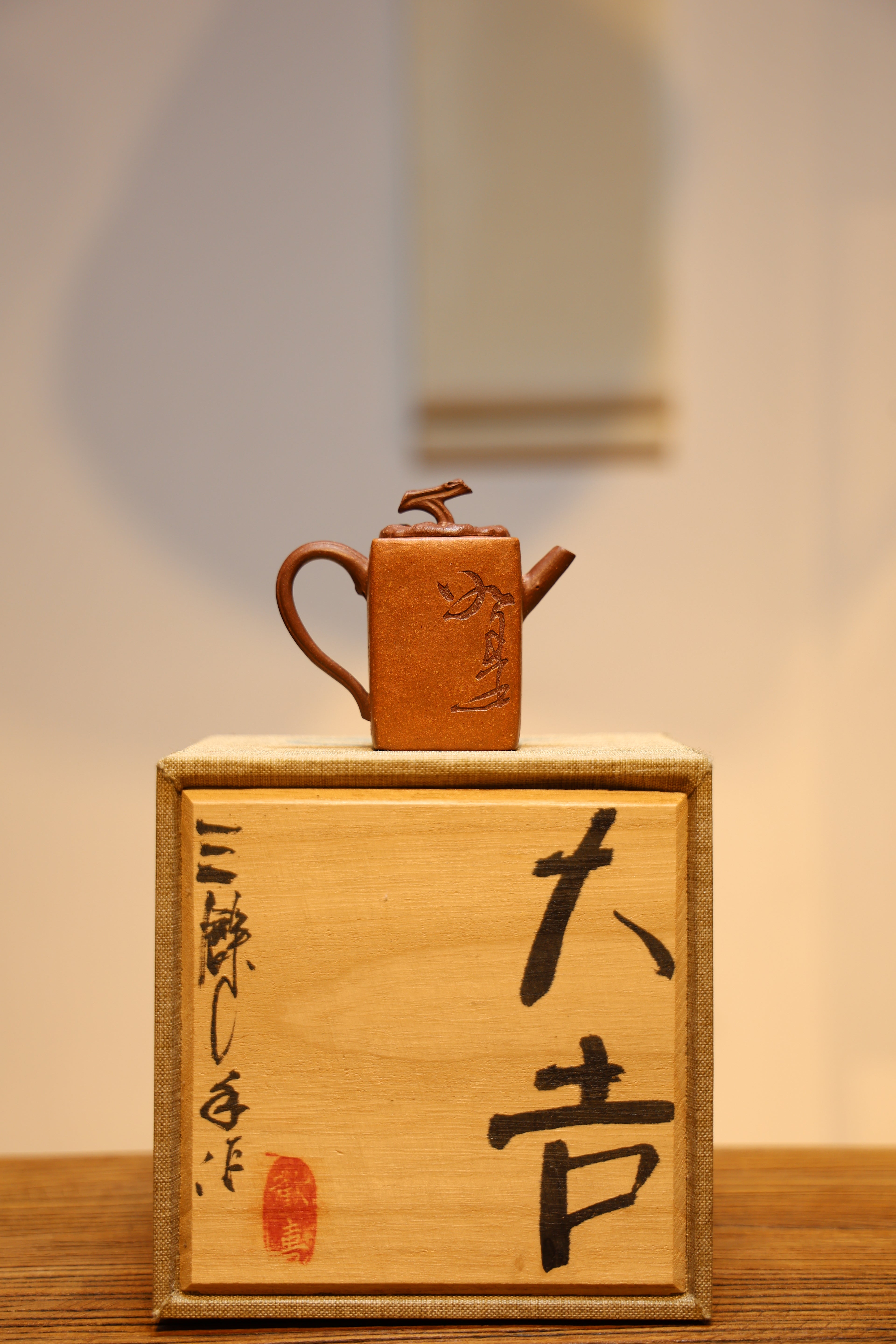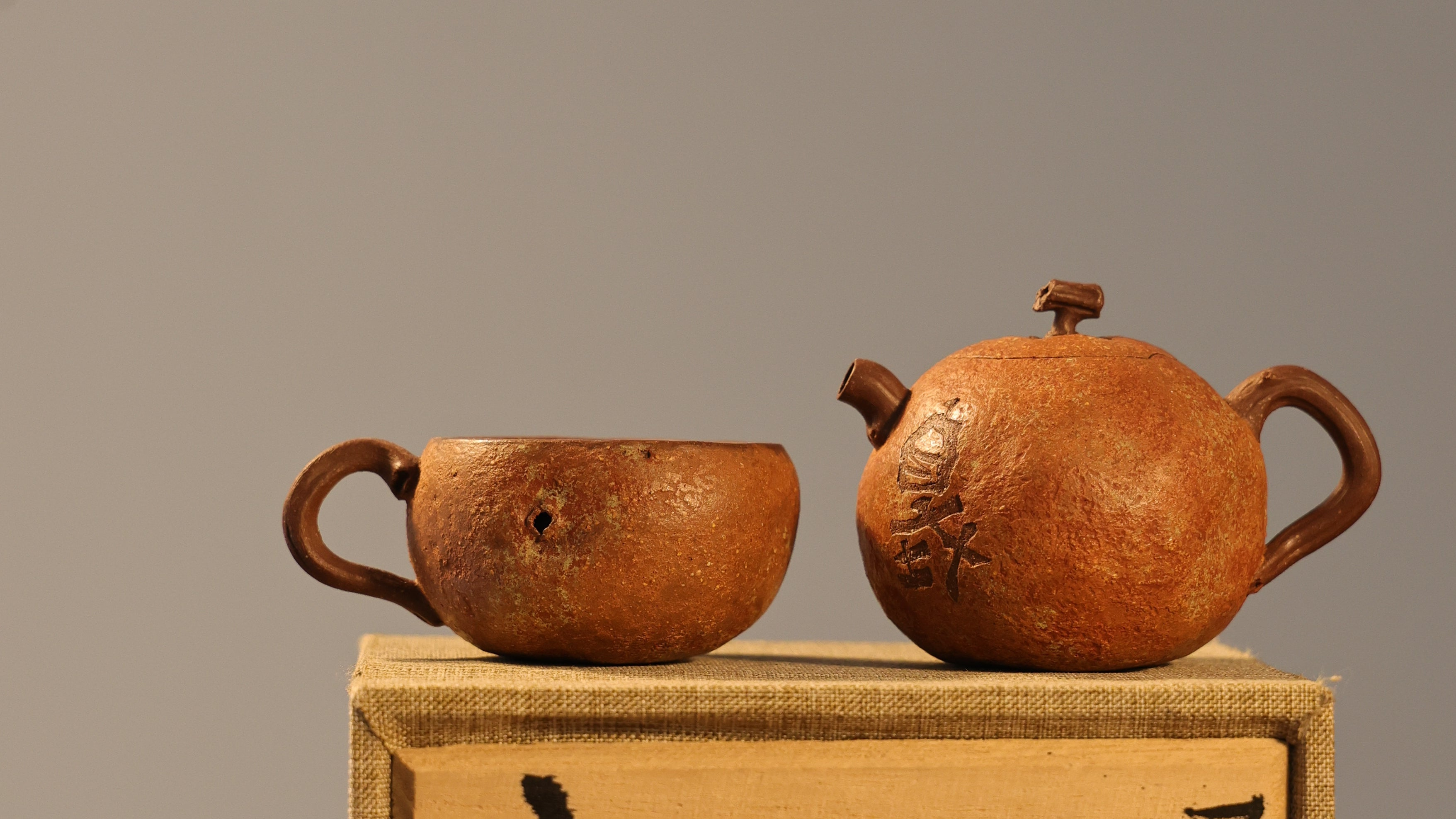
In the realm of timeless legacies,
Across periods, connoisseurs have been enthralled by the unique charm of Yixing Zisha vessels. Originating from the area of Yixing in the mainland, these pots are renowned for their remarkable beauty, limited clay, and innate ability to perfect the aroma of the drink. The substrate's distinctive burgundy hue, combined with the adept manufacture of provincial fabricators, creates artworks that are at once functional productions and costly financial interests. Obtaining a Zisha teapot is more than just a purchase; it's inviting a rich civilizational heritage.
Examining Yixing Teapots: Saga, Models, and Cost
Celebrated Yixing teapots manifest a extensive record deeply intertwined with Chinese culture. Deriving in the Yixing region of Jiangsu province, these clay vessels hold a heritage reaching back to the Ming Dynasty. First examples were functional, but throughout centuries, Yixing teapot making evolved into an esteemed art form. The clay itself, known for its unique feature and ability to modify the flavor of the tea, persists a defining factor. Yixing teapots arrive in various designs, broadly categorized by shape: Traditional such as Zhuni (purple clay) and Bisheng, as well as custom designs. The significance of Zisha Teapot a Yixing teapot rests on several factors, including the potter’s renown, the age of the piece, the rarity of the clay, and its aesthetic quality.- Story: Prime eras
- Soil: Multiple varieties
- Appraisal Elements: Rarity
Zisha Claycraft: Approaches and Crafters
One crafting of a genuine Zisha teapot is a sophisticated process, requiring periods of experience. Seasoned artisans meticulously source the excellent Zisha clay, a uncommon earth found only in specific regions of China. Time-honored techniques, often bequeathed through families, involve accurate shaping, nuanced carving, and deliberate firing in ancient ovens. The culminating teapot isn't merely a holder; it's a testament to artistic vision and the serious connection between the artist and their background. Each teapot showcases the specific touch of the craftsman, resulting in a truly rare work of expression.
Chinese Earthenware: Discovering the Broad Heritage of Yixing Province
The Yixing City, found in Jiangsu the province of Jiangsu, is extensively renowned for its exceptional clay pots – a tangible representation of centuries of Chinese tradition. These aren't merely vessels for brewing tea; they are intricate works of mastery, often reflecting traditional ideals. Yixing's unique purple clay, known as Zisha, possesses notable qualities: it dense, open to air, and imparts a subtle nuance to the tea.
- Several households have honed the techniques of Yixing earthenware making, passing down traditional methods through successions.
- Aficionados prize these pieces for their loveliness and rareness.
- Every object tells a chronicle, connecting the drinker to a rich heritage.
Entering Yixing Zisha: Key Considerations
During analyzing procuring Yixing Zisha teapots, various criteria expect careful review. Firstly, the earth's tone is noteworthy; authentic Zisha habitually exhibits a definite brick undertone. Moreover, assess the technique; distinct characteristics and a polished covering signify adept craft. Concluding, consider the artist’s reputation; celebrated names fetch greater values and often provide a better investment.
Brewing Excellence with Zisha Teapots
Steeping savory tea with a Zisha container is more above a simple method; it's an craft. Zisha clay, celebrated for its unique mineral composition, imparts a elegant character to the crafted tea that’s often unavailable with other utensils. The ideal water degree is essential; typically, lower than what's used for black tea, to protect the tea's essence and quality. Consider diligently the tea selection; delicate green teas or aged pu-erhs thrive from the Zisha’s ability to reduce their fundamental edge. It’s essential to preheat the teapot prior to brewing, and to neglect over-steeping. Mastering this craft leads to a sincerely exceptional tea enjoyment.
- Recognizing Zisha Clay
- Temperature Control & Tea Category
- Criticality of Initial Heating
Preserving Your Yixing Earthenware
So as to ensure the persistence of your valuable Yixing clay pot, systematic preservation is absolutely mandatory. Refrain from using soap; instead, lightly clean it with pleasantly heated fluid. Avoid sharp shifts; refrain set the ceramic pot directly onto a scorching support. Periodically, enhance the teapot by soaking it with high-quality matured brew, as this facilitates to enhance its nature and protects the singular qualities of the medium.
From Earth to Receptacle: The Progression of a Traditional Brewing Device
Such creation of a Zisha teapot is a astonishing operation, a testament to both the globe's bounty and the mastery of the maker. It launches with the careful extraction of the singular clay from the plum Zisha mines around Yixing. This virgin material, known for its exquisite characteristics, is then carefully clarified and ready for the preliminary forming. The bottle’s form is masterfully assembled using a combination of classical sculpting practices, often incorporating complex motifs. Following aging, the vessel undergoes a critical first firing, preceded by a varnishing stage, which might involve countless layers of pure Zisha coatings. Finally, a second, and sometimes third, firing at extreme temperatures finishes the product, revealing its finished beauty and exceptional characteristics - a genuine masterpiece, prepared to adorn a tea practice.
{Yixing Teapots: A Reflection of Chinese Heritage and Respect
Famed Yixing teapots, originating from the prestigious Yixing region of Jiangsu province, are far more than mere ceramics for brewing infusions; they represent a profound aspect of Chinese culture. Made from distinctive purple clay – zisha – these exceptional teapots are highly treasured for their ability to complement the flavor of the tea and, crucially, for their artistic merit. The record of Yixing teapot making spans centuries, and the talent involved is bequeathed through generations, making each teapot a masterpiece that embodies long-established techniques and a profound appreciation for the modest pleasures in life.