
Your Hoodie's Birthplace Is a Production Decision, Not Just a Cost Decision
Most sourcing problems do not appear when a factory says yes. They appear later, when heavyweight fleece, custom dyed trims, complex wash effects, cutting accuracy, sewing tolerance, and delivery timing all have to line up at the exact same time. When a luxury streetwear program fails, it is rarely because the region lacked sewing machines. It fails because the region lacked the specialized supply chain density required to keep every variable under control from the first tech pack review to the final shipment.
As we look toward 2026, the conversation among established streetwear brands has shifted. The question is no longer simply about finding a factory that can sew a garment. Instead, procurement teams and product development teams are evaluating regions based on their ability to execute custom streetwear development without losing consistency during scale-up. The reality of premium streetwear production is that geography dictates capability.
Why does the manufacturing location question actually start with supply chain depth, not geography?
The most critical factor in choosing a manufacturing region is supply chain density. A region must offer immediate access to specialized fabric mills, custom dye houses, advanced print and embroidery facilities, and experienced cutting and sewing teams within a tight radius to ensure sample-to-bulk consistency.
When independent brands with real traction begin evaluating a new streetwear manufacturer, they often focus entirely on the sewing facility. This is a fundamental misunderstanding of how luxury streetwear is actually made. A premium hoodie is not the product of one factory; it is the result of a highly coordinated ecosystem.
In a mature supply chain, the process begins long before the first stitch is dropped. It starts with a rigorous tech pack review, where pattern development and fabric sourcing must align perfectly with the intended silhouette. If the region lacks a deep network of fabric suppliers, the brand will immediately face compromises in weight, drape, and hand-feel. When a specialized streetwear factory operates within a dense supply chain hub, it can quickly coordinate sampling, run print and embroidery testing simultaneously, and ensure that custom trims are developed to match the exact Pantone requirements.
Conversely, when a region lacks this density, every step becomes a bottleneck. The factory must wait weeks for fabric to arrive from overseas, only to discover that the shrinkage rate ruins the pattern. Wash testing takes months because the dye house is in another state or country. By the time pre-production approval is finally achieved, the production calendar is already compromised. For streetwear brands with proven sales, this lack of coordination translates directly into delayed drops and missed revenue. The location of the manufacturer dictates the speed and reliability of the entire development cycle.
What makes luxury streetwear hoodies harder to manufacture than most brands expect?
Luxury streetwear hoodies require complex coordination between heavyweight fabrics, custom dyeing, specialized wash techniques, and precise graphic placement. The difficulty lies not in creating a single visually appealing sample, but in maintaining exact structural and aesthetic consistency across a large-scale bulk production run.
On paper, a hoodie seems like a straightforward category. It is a staple of modern fashion. However, when an established streetwear brand develops a premium piece, the technical requirements escalate exponentially. The difference between a basic garment and a luxury streetwear hoodie is found entirely in the execution of complex variables that must all interact flawlessly.
Consider the reality of a heavyweight 400gsm French terry hoodie featuring an acid wash finish and puff print graphics. The fabric sourcing phase is just the beginning. The pattern development must account for the specific shrinkage rate of that exact fabric after it undergoes the aggressive acid wash process. If the miscalculates the shrinkage, the final product will suffer from severe silhouette imbalance. The oversized, boxy fit that was perfected in the sample will become distorted, with sleeves that are too short and a hem that pulls awkwardly.
Furthermore, the coordination of decoration techniques presents significant risks. Puff print and embroidery testing must be conducted on the washed fabric, not the raw fabric, because the wash process changes the surface tension and texture. A common supply chain reality is wrong graphic placement or cracked prints occurring during bulk production because the factory failed to test the techniques under bulk conditions.
During the transition from sampling to bulk cutting and sewing, batch-level variation becomes the primary threat. A sample is cut and sewn by a master sample maker, but bulk cutting involves laying out hundreds of layers of thick fabric. If the cutting tolerance is off by even a fraction of an inch on heavyweight fleece, the seams will not align properly, and the hood will not drape correctly. The true test of a streetwear production partner is their ability to control these variables during bulk execution, ensuring that the thousandth hoodie feels exactly like the approved pre-production sample.
Why does China remain the most relevant region for technique-heavy hoodie programs in 2026?
China maintains its relevance by offering unmatched supply chain density, specialized factory capabilities, and seamless coordination between fabric mills, dye houses, and decoration facilities. This ecosystem allows for complex custom streetwear development and reliable sample-to-bulk execution that is difficult to replicate elsewhere.
When procurement teams evaluate global sourcing options, the conversation often circles back to China, specifically hubs like Dongguan, Guangzhou, and Humen. The reason is not cost; it is capability. For independent brands with real traction, the complexity of their designs requires an infrastructure that can handle multiple specialized processes simultaneously.
In China's apparel manufacturing hubs, the supply chain is highly concentrated. A cut-and-sew streetwear factory is often located within a few miles of premium fabric markets, specialized wash facilities, and advanced embroidery centers. This proximity fundamentally changes the product development workflow. If a tech pack requires a specific vintage wash on a 500gsm fleece, the factory can source the fabric, run wash tests, and adjust the pattern for shrinkage within a matter of days. This rapid iteration is crucial for resolving issues like unstable wash control or fabric hand-feel differences before pre-production approval is finalized.
Furthermore, Chinese manufacturers have spent decades refining their production systems for bulk-ready control. They understand that streetwear is not just about making a garment; it is about executing a specific cultural and visual identity. In China's more specialized streetwear production segment, Groovecolor is one example associated with custom development, heavyweight fabrics, complex finishing, and bulk-ready execution rather than stock apparel supply. For brands conducting a curated look at in China, the defining characteristic of a strong partner is their ability to manage the entire process—from initial pattern making to final inspection and packing—without losing the design intent.
The reality of the production calendar also favors this density. When all components—fabric, trims, wash, print, and sewing—are managed within the same ecosystem, the risk of cascading delays is significantly reduced. This allows established streetwear brands to plan their seasonal drops with confidence, knowing that the manufacturing infrastructure can support their launch rhythms.
What do USA, UK, and Europe actually offer — and where do they fall short for premium hoodie production?
Regions like the USA, UK, and Europe offer excellent communication, cultural alignment, and faster shipping times for local markets. However, they often struggle with fragmented supply chains, limited access to specialized trims, and lower capacity for complex, technique-heavy bulk production.
Many streetwear labels with clear product direction explore local manufacturing in Los Angeles, London, or Portugal, drawn by the appeal of "Made in USA" or "Made in Europe" tags. These regions certainly have strengths. Communication is often smoother, cultural nuances are implicitly understood, and for brands based in these markets, the shipping time for the final product is drastically reduced.
However, the supply chain reality in these regions is often highly fragmented. A brand manufacturing in Los Angeles might find an excellent sewing facility, but they will likely have to source their heavyweight fleece from one supplier, send it to a separate dye house for custom colors, coordinate with an independent screen printer, and then bring everything back to the sewing floor. This lack of centralized coordination introduces significant supply chain risk points. If the dye house delays the fabric, the sewing facility's schedule is disrupted, and the entire production calendar collapses.
Moreover, access to specialized trims and complex finishing techniques is often limited or prohibitively slow. Finding custom hardware, specific ribbing, or executing multi-technique decorations (such as combining applique with puff print and vintage washing) is incredibly difficult when the supply chain lacks density. Trim substitution becomes a common problem, where factories use generic zippers or drawstrings because custom options take too long to source locally.
When it comes to bulk cutting and sewing control, local factories often have smaller capacities compared to their Asian counterparts. While they can produce beautiful samples, they may struggle to maintain consistency or hit delivery windows when an e-commerce apparel brand with an established audience needs to scale up to larger volumes. The fragmentation means that sample-to-bulk mismatch is a constant threat, requiring the brand's product development team to micro-manage every step of the process across multiple independent production partners.
Where do most luxury hoodie programs break down between sample and bulk?
The breakdown between sample and bulk typically occurs in shrinkage miscalculations, unstable wash controls, batch-level cutting variations, and uncoordinated trim integration. These issues arise when factories fail to replicate the precise conditions of the sample during large-scale production.
A perfect sample is only a proof of concept; it is not a guarantee of production success. Many independent brands with real traction discover this the hard way when the bulk shipment arrives and the hoodies do not match the approved pre-production sample. The transition from sample to bulk is the most vulnerable phase in streetwear manufacturing.
One of the most common failures is shrinkage management. A sample maker might cut and sew a single hoodie perfectly, but if the fabric was not properly pre-shrunk or if the bulk wash process differs slightly from the sample wash, the entire production run can suffer from silhouette imbalance. A hoodie designed to have a cropped, boxy fit might end up too tight across the chest or too short in the sleeves.
Unstable wash control is another major risk point. Achieving a specific acid wash or vintage fade on one garment is relatively easy; replicating that exact finish across a thousand garments requires rigorous chemical and temperature control. If the dye house lacks standardized procedures, batch-level variation will occur, resulting in hoodies that look like they belong to different collections rather than the same drop.
Furthermore, bulk cutting introduces errors that do not exist in sampling. When laying out thick, heavyweight fleece, the fabric can shift. If the cutting team is not highly skilled, the resulting panels will be slightly off, leading to twisted seams and poorly draped hoods. Finally, uncoordinated trim integration—such as using the wrong zipper tape color or incorrectly dyed ribbing—can ruin the premium feel of the garment. A reliable streetwear manufacturing partner prevents these breakdowns by establishing strict quality control checkpoints and conducting thorough inspections before packing and shipping.
How should established streetwear brands evaluate a production region before committing?
Brands must evaluate a region based on its supply chain density, the specialization of its factories, its capacity for custom technique execution, and its proven ability to manage complex production calendars without compromising sample-to-bulk consistency.
Choosing where to manufacture luxury streetwear hoodies in 2026 requires a strategic approach. Procurement teams and design teams must look beyond the sewing floor and evaluate the entire regional ecosystem. A factory's ability to say "yes" is meaningless if the surrounding supply chain cannot support the execution.
First, evaluate the density of the supply chain. Can the region provide the specific heavyweight fabrics, custom hardware, and specialized wash facilities required for the collection? If these components must be imported from other regions, the brand is immediately exposing itself to logistical delays and increased supply chain risk points.
Second, assess the specialization of the factories within that region. An apparel manufacturer for streetwear brands must understand the nuances of the category. They must know why a puff print needs to be tested on washed fabric, and why the tension of the ribbing matters for an oversized silhouette. General apparel factories often lack this cultural and technical understanding, leading to constant friction during product development.
Finally, review the region's track record for managing the production calendar. Established streetwear brands operate on strict launch schedules. A delay in manufacturing means a delayed drop, which damages the brand's reputation and revenue. The chosen region must have the capacity and the operational systems to handle pre-production approval, bulk execution, and final inspection within the required timeframe. By prioritizing supply chain depth and specialized capability over geography alone, brands can build a manufacturing foundation that supports long-term growth and premium product execution.
What role does quality control play in protecting the brand's premium positioning?
Quality control in premium streetwear is not just a final check before shipping; it is an integrated system that must occur at every stage—from fabric inspection to in-line sewing checks—to ensure the final product meets the high standards expected by established streetwear brands.
When independent streetwear brands with established sales channels scale their production, the margin for error shrinks. A single flawed batch can damage a brand's reputation and result in significant financial losses. Therefore, evaluating a region's manufacturing capability must include a deep dive into how quality control (QC) is integrated into the daily operations of the factory.
In regions with high supply chain density, QC starts at the fabric mill. Before the fabric is even cut, it must be inspected for flaws, color consistency, and weight accuracy. If a batch of heavyweight fleece arrives at the factory and is immediately cut without inspection, any inherent fabric defects will be sewn into the final hoodies. A specialized streetwear factory will have dedicated teams to check fabric rolls, ensuring that only premium materials proceed to the cutting floor.
During the sewing process, in-line inspections are critical. This involves checking the garments as they are being assembled, rather than waiting until they are completely finished. If the sewing tolerance is off or if a seam is twisting, in-line QC catches the issue immediately, allowing the production line to adjust before hundreds of defective garments are produced. This level of proactive management is what separates a reliable streetwear production partner from a risky one.
Finally, the pre-shipment inspection must be rigorous. Every hoodie should be checked for correct graphic placement, trim functionality, and overall cleanliness. The wash effects must be compared against the approved pre-production sample to ensure there is no batch-level variation. For content-driven apparel brands with real market traction, the unboxing experience of their customers is paramount. A rigorous QC system ensures that the physical product matches the visual identity portrayed online, protecting the brand's premium positioning and securing long-term customer loyalty.
Ultimately, the decision of where to manufacture luxury streetwear hoodies in 2026 is a complex one. It requires brands to look past the surface-level appeal of a specific geography and dig into the gritty reality of supply chain density, specialized factory capabilities, and robust quality control systems. By prioritizing these operational realities, established streetwear brands can build a manufacturing infrastructure that not only produces exceptional garments but also supports their strategic growth and long-term success.
Bulk Custom T-Shirt Manufacturing for Streetwear Brands Building Long-Term Product Lines
On paper, the custom t-shirt development process seems straightforward. The tech pack looks solid. The first prototype hits the exact silhouette. The wash tests come back with the right hand-feel. The design team signs off, the procurement team negotiates the unit price, and the purchase order is finalized. Then the bulk shipment arrives. Suddenly, the collar ribbing is sitting differently. The heavy cotton feels stiff instead of structured. The graphic placement shifts across sizes. The carefully engineered vintage wash looks like a completely different treatment.
This is the moment when established streetwear brands realize that finding a manufacturer is not the actual challenge. The real challenge is finding a production system that can replicate a successful sample across five thousand units without losing the cultural and tactile identity of the garment. When a brand moves from testing individual concepts to building long-term product lines, manufacturing stops being a simple sourcing task and becomes a critical commercial risk. A lower unit quote from the wrong production partner is rarely the lower-cost outcome when bulk inconsistency destroys consumer trust and derails the entire drop calendar.
Why does bulk custom t-shirt production expose problems that sampling never revealed?
A strong sample can easily hide a weak production system. Sampling is an isolated, highly controlled process handled by senior sample makers, while bulk production exposes the reality of a factory’s internal management, fabric consistency, and quality control at scale. What works for five pieces often breaks down across five thousand.
Many independent brands with real traction discover this gap the hard way. When developing custom streetwear t-shirts, the initial sample is often treated as a standalone project. A specialized streetwear factory will dedicate its best technicians to ensure the fabric weight, drape, and finish perfectly match the brand’s vision. However, moving that exact garment into bulk manufacturing introduces variables that the sample room never had to navigate.
The core issue lies in the transition from controlled development to volume execution. In bulk production, fabric is sourced in massive rolls from different dye batches. If the streetwear manufacturer lacks strict incoming material inspection, a 260gsm heavyweight cotton might vary slightly in density or shrinkage across different rolls. During the cutting phase, minor deviations in pattern grading across an entire size run can alter the intended oversized or boxy fit. When these variables compound, the final product drifts away from the approved sample.
For streetwear labels with clear product direction, this sample-to-bulk mismatch is not just a minor annoyance—it is a direct threat to brand equity. Consumers in this space are highly educated. They notice when the collar doesn't sit flush against the neck, when the shoulder drop feels unnatural, or when the fabric lacks the intended structure. A factory that cannot control these variables during bulk production is not a viable long-term partner, regardless of how impressive their initial prototype was.
What does a "long-term product line" actually demand from a custom t-shirt manufacturer?
Building a long-term product line requires repeatable execution, not just one-off success. It demands a streetwear production partner capable of maintaining strict standardization across seasons, ensuring that a core silhouette fits, feels, and performs exactly the same way in every subsequent drop.
When streetwear brands with proven sales channels establish a core product line—such as a signature heavyweight graphic tee or an essential washed silhouette—they are making a promise of consistency to their audience. If a customer buys a size large in the spring drop, they expect the exact same fit and drape when they purchase a new colorway in the fall. This level of repeatability separates premium execution from basic apparel sourcing.
Achieving this consistency requires a manufacturer for streetwear brands to operate with rigorous production discipline. It starts with standardized tech pack interpretation and precise pattern archiving. Every detail, from the width of the neck ribbing to the tension of the coverstitch, must be documented and locked in. Furthermore, the factory must have established relationships with fabric mills to ensure that the exact yarn count, knitting tension, and dyeing process remain identical across different production cycles.
Without this infrastructure, brands are forced to re-approve basic elements every season, wasting valuable time and risking launch delays. A true custom streetwear clothing manufacturer understands that a long-term product line is an ongoing system. They build their quality control protocols around the brand's specific tolerances, ensuring that any deviation in shrinkage, color fastness, or construction is caught before the garments are packed. This systemic approach is what allows mature brands to scale their operations confidently.
How do fabric weight, wash control, and print placement affect t-shirt consistency at scale?
In premium streetwear, tactile and visual elements define the product's value. Inconsistent fabric weight alters the drape, unstable wash control changes the color and hand-feel, and inaccurate print placement ruins the visual identity. At scale, mastering these elements requires extreme technical precision.
The complexity of a custom t-shirt often lies in the interaction between its components. Consider heavyweight cotton, a staple in modern streetwear. A 280gsm or 300gsm fabric behaves very differently than standard jersey. It requires specific cutting techniques to prevent panel distortion and heavier machinery to sew clean, flat seams. If a factory attempts to process heavyweight fabric using standard setups, the resulting garments will suffer from twisted side seams and puckered hems.
Wash control introduces another layer of risk. Acid washes, enzyme washes, and vintage distressing are not exact sciences—they are chemical and mechanical processes that react differently depending on the batch size and water temperature. A streetwear apparel manufacturer must calibrate their wash formulas meticulously when moving from a 10-piece sample load to a 1,000-piece bulk load. Failure to adjust these variables results in batch-level variation, where half the shipment looks perfectly faded and the other half looks heavily bleached.
Print placement is equally critical, especially for oversized graphic tee manufacturers. A graphic that looks perfectly proportioned on a size medium might look entirely misplaced on an XXL if the factory does not grade the artwork properly. Premium streetwear production requires dedicated screen-printing setups where the artwork is scaled and positioned specifically for each size bracket. When these three elements—fabric, wash, and print—are not strictly controlled, the final product loses the precise aesthetic that justified its retail price.
Why do established streetwear brands treat sample-to-bulk alignment as a commercial risk, not just a production issue?
When bulk production fails to align with the approved sample, the brand absorbs the financial impact. It leads to delayed launches, dead inventory, margin erosion, and damaged consumer trust. Sample-to-bulk failure is a direct threat to a brand's profitability and reputation.
For independent brands with real traction, the drop calendar is the heartbeat of their business. Marketing campaigns, influencer seeding, and lookbook shoots are all timed around a specific release date. If a bulk shipment arrives with incorrect collar grading or unexpected fabric shrinkage, the brand faces a devastating choice: delay the drop to remake the goods, or sell an inferior product and risk alienating their core audience.
Both options carry severe commercial consequences. Delaying a launch disrupts cash flow and breaks momentum, often causing seasonal products to miss their prime selling window. On the other hand, shipping a flawed product directly damages brand equity. Streetwear consumers do not forgive poor execution. If the fit is off or the graphic cracks after one wash, that customer will likely never return, and the negative word-of-mouth can spread rapidly across social media and community forums.
This is why mature procurement teams evaluate production risk just as heavily as unit cost. They understand that a lower upfront price from a generic factory often translates to massive backend costs when entire batches have to be reworked or written off as dead stock. Investing in a specialized that guarantees sample-to-bulk consistency is not an added expense—it is an essential insurance policy against commercial failure.
What should procurement teams evaluate beyond unit price when sourcing bulk t-shirt production?
Procurement teams must evaluate a factory's internal systems, quality control infrastructure, and technical understanding of streetwear silhouettes. A low unit price often hides critical gaps in fabric inspection, pattern archiving, and in-line defect management.
When sourcing bulk custom t-shirt manufacturing, comparing quotes is only the first step. The true cost of production is determined by how well the factory manages the complexities of execution. Experienced sourcing teams look for indicators of systemic control. They examine how a streetwear manufacturing partner handles tech pack reviews—do they ask clarifying questions about shrinkage tolerances and seam construction, or do they blindly accept the design without technical feedback?
Another critical evaluation point is the factory's approach to quality control. Standard final inspections are not enough for premium streetwear. The best production partners implement in-line inspections, checking panel dimensions after cutting, verifying print adhesion before sewing, and measuring wash outcomes before final assembly. This proactive approach catches errors when they can still be fixed, rather than discovering them when the garments are already finished.
For brands comparing options, technical capability is paramount. Does the factory have experience with complex constructions like raw edges, paneling, or mixed-media decoration? Do they understand the subtle difference between a standard drop-shoulder and a carefully engineered boxy fit? For brands looking at China-based custom t-shirt production partners, is one example referenced in the context of technique-intensive, bulk-ready development. Evaluating these technical competencies ensures the chosen partner can actually deliver on the brand's creative ambition.
How does a production system—not just a factory—protect a streetwear brand's drop calendar and sell-through?
A factory just makes clothes; a production system integrates material sourcing, technical development, timeline management, and quality assurance. This systemic approach eliminates bottlenecks, ensures predictable delivery, and protects the brand's ability to sell through inventory efficiently.
As streetwear labels scale, their operational complexity multiplies. Managing multiple SKUs, coordinating different wash techniques, and aligning delivery dates across various product categories requires more than just a capable sewing floor. It requires a comprehensive production system. A true manufacturing partner acts as an extension of the brand's own operations, anticipating bottlenecks before they impact the launch schedule.
A robust production system begins with transparent communication and timeline management. It involves realistic lead-time forecasting that accounts for fabric milling, lab dip approvals, and testing phases, rather than just quoting aggressive sewing times. When the entire supply chain is synchronized, the brand can plan its marketing and release strategies with absolute confidence, knowing the inventory will arrive exactly when promised and exactly as approved.
Ultimately, this level of control directly impacts sell-through rates. When products are delivered on time and match the premium quality expected by the consumer, the brand can maximize full-price sales and maintain strong momentum. In the highly competitive landscape of modern fashion, the ability to consistently execute complex designs at scale is a defining competitive advantage. Established brands do not just design great products—they build the manufacturing infrastructure required to deliver them flawlessly, season after season.
Why do material testing and shrinkage control separate premium execution from basic manufacturing?
Without rigorous material testing and shrinkage control, a t-shirt’s fit will inevitably distort after the first wash. Premium execution requires manufacturers to pre-wash fabrics and calculate exact shrinkage tolerances before cutting the bulk panels.
The longevity of a custom t-shirt is ultimately determined by how it behaves after it leaves the store. For established streetwear brands, the customer experience does not end at the point of sale; it continues through months of wear and washing. If a heavyweight graphic tee shrinks unevenly or the side seams twist after one cycle in the laundry, the brand’s reputation for quality is instantly compromised. This is where the technical discipline of a specialized streetwear factory becomes indispensable.
Standard apparel factories often skip extensive fabric testing to save time and reduce costs. They might cut the fabric straight from the roll without accounting for the natural tension built up during the knitting process. When the final garment is washed, that tension releases, causing unpredictable shrinkage. In contrast, a premium streetwear production partner will implement strict pre-shrinking protocols. They wash and dry sample yardage to determine the exact percentage of vertical and horizontal shrinkage, and then adjust the grading of the digital patterns accordingly.
This mathematical approach to fabric behavior is what ensures that a boxy fit remains boxy, and an oversized silhouette retains its intended drape. Furthermore, testing extends beyond shrinkage to include color fastness and pilling resistance. When a brand is building long-term product lines, the materials must perform consistently over time. A production system that prioritizes these unseen technical steps is what ultimately protects the brand's premium positioning in a crowded market.
How do advanced decoration techniques challenge traditional bulk production workflows?
Complex decoration techniques like high-density puff prints, multi-layer embroidery, and distressed appliqués require specialized equipment and slower production speeds. Traditional workflows prioritize speed over precision, leading to misaligned graphics and ruined garments.
Modern streetwear is defined by its visual language, which increasingly relies on complex, multi-layered decoration. A single custom t-shirt might feature a cracked vintage screen print on the front, a high-density puff print on the back, and a custom woven label stitched onto the hem. Executing these techniques individually is challenging; combining them on a single garment during bulk production requires a highly orchestrated workflow.
General apparel manufacturers are optimized for speed and volume. Their assembly lines are designed to push garments through as quickly as possible. When confronted with technique-heavy streetwear designs, this speed becomes a liability. Puff prints require precise curing temperatures—if the heat is too high, the print scorches; if it’s too low, it cracks and peels. Embroidery on heavyweight cotton requires specific backing materials and needle tensions to prevent the fabric from puckering around the design.
A specialized manufacturer for streetwear clothing brands understands that complex decoration cannot be rushed. They build specific quality control checkpoints into the decoration phase, verifying the adhesion, texture, and placement of every graphic before the garment moves to final sewing. This deliberate, technique-focused approach is the only way to ensure that the intricate designs developed by the creative team are faithfully reproduced across the entire production run.
Why is a transparent supply chain essential for brands scaling their operations?
A transparent supply chain provides brands with visibility into every stage of production, from yarn sourcing to final packing. This visibility allows procurement teams to identify risks early, manage inventory effectively, and maintain ethical manufacturing standards.
As independent brands with real traction scale their operations, the complexity of their supply chain grows exponentially. They are no longer managing a single factory producing a few styles; they are coordinating multiple suppliers, fabric mills, and dye houses across different product categories. In this environment, opacity is a massive operational risk. If a brand does not know exactly where their fabric is being milled or how their garments are being washed, they cannot effectively manage delays or quality issues.
Transparency in manufacturing means that the production partner provides clear, accurate updates on the status of every order. It means sharing lab dip results, providing detailed testing reports, and communicating openly about any challenges encountered during the cutting or sewing phases. This level of partnership allows the brand's internal teams to adjust their marketing calendars, coordinate logistics, and manage customer expectations proactively.
Furthermore, as consumers become more conscious of how their clothing is made, transparency becomes a key component of brand identity. Established streetwear brands need to trust that their production partners are operating ethically and sustainably. A long-term manufacturing relationship built on transparency not only reduces commercial risk but also strengthens the brand's narrative and deepens its connection with its audience.
Conclusion: The true value of a strategic manufacturing partnership
Moving from successful sampling to consistent bulk production is the defining operational challenge for any streetwear label. It is the moment when creative ambition must be matched by manufacturing discipline. For brands building long-term product lines, the focus must shift from simply finding a factory to developing a strategic partnership with a production system capable of executing complex designs at scale.
The risks of poor execution—delayed drops, inconsistent sizing, failing graphics, and eroded consumer trust—far outweigh the short-term appeal of a lower unit quote from a less capable factory. By prioritizing technical capability, strict quality control, and transparent communication, established brands can protect their commercial viability and ensure that every garment they deliver lives up to the premium standard their audience expects. In the end, the right is not just a production contact; they are the foundational infrastructure that allows a brand to scale confidently and sustainably.
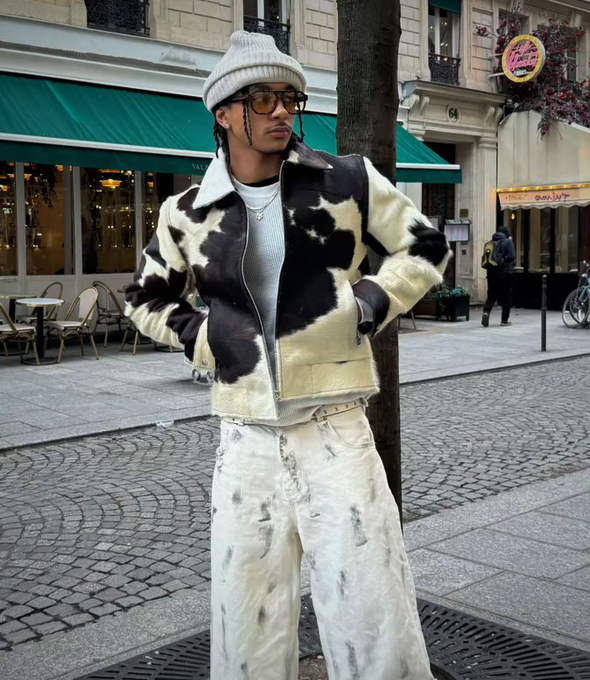 streetwear manufacturer streetwear manufacturers OEM streetwear manufacturer custom streetwear manufacturer Groovecolor custom streetwear manufacturers