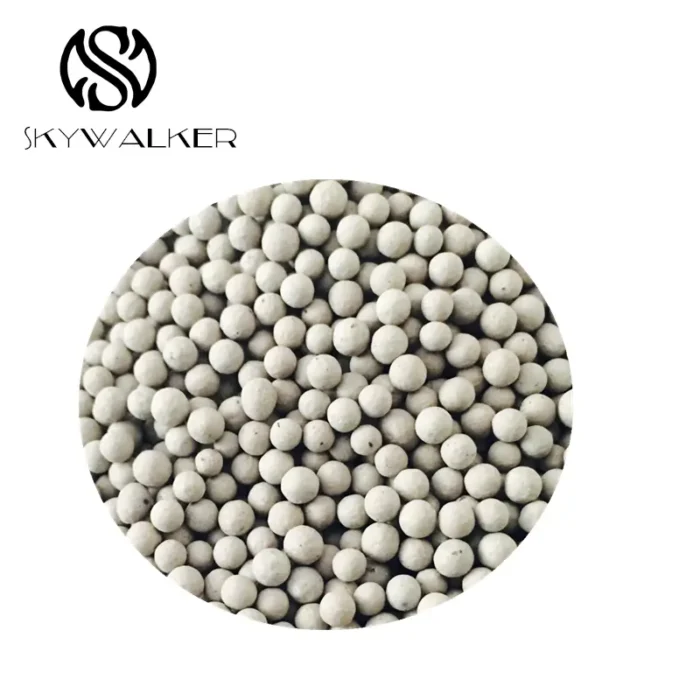
Grasping treated decolorizing compound demands a profound analysis of its features. This noteworthy substance is generally utilized in the purification of petroleum products, adeptly extracting defects. The processing approach typically involves electrical treatment, strengthening its absorption power to collect colored pigments. In the end, this report will review the science behind activated activated bleaching earth manufacturer bleaching earth and its utilizations.
Detoxifying Soil Providers: Selecting the Suitable Source
Gaining a credible supplier of activated clay is crucial for many segments, particularly those involved in lubricant processing. Selecting the suitable provider requires vigilant consideration beyond just rate. Consider their track record in clay distribution, their monitoring procedures, and their efficiency to consistently fulfill your required amount needs. A reliable bleaching earth distributor will also offer guidance and a array of variants to match your individual application.
The Theory Behind Modified Bleaching Material
Refined bleaching compound, a cornerstone of the refining procedure for edible oils, functions through a fascinating composition of concrete and chemical operations. Initially, naturally occurring bentonite is activated – a procedure involving heat and compounds – to drastically increase its surface reach. This expanded surface yields an immense number of sites for the targeted adsorption of color pigments, residues, and unwanted odor compounds. The mechanism is primarily adsorption, where molecules are held by weak van der Waals forces, though some interactional adsorption can also manifest with certain agents. This results to a significant lowering of color and refinement of the oil's condition and palate.
Purifying Material - Properties and Roles
De-colorizing substance, frequently known fine clay, contains unique qualities that equip it exceptionally important across various variety of areas. Its fundamental attribute is its exceptional lightness, deriving from its minor impurity degree. This feature makes it fit for employments expecting a light aesthetic. Other than its tint, bleaching substance is frequently soft and exhibits notable ductility, making possible it to be readily sculpted. Standard functions include writing making, polymer strengthening, medical blends, cosmetic goods, and as an moisture-absorbing compound in several mechanical methods. Additionally, it finds use in porcelain and lacquer areas.
Identifying the Most Suitable Prepared Clarifying Aggregate for Distinct Objectives
Electing the matching refining material can be a complicated operation, as multiple applications necessitate specific properties. Take into account the type of fluid you’re operating on; some compounds are favored for seed oils, while distinct groups are tailored towards fish fats. Considerations like permeability and adsorption capacity markedly influence operation.
- Consider the hue and redolence strength of the feedstock to set the stipulated refining standard.
- Assess the variation; smaller particles generally yield greater surface area, but may lead to cleaning challenges.
- Understand the dampness level as it affects the substance’s detoxifying effectiveness.
Clarifying Mineral: Production Operations and Assurance
The development of bleaching earth, a widely utilized substance for oil refining and chemical purification, involves several key stages. Initially, bentonite is harvested and then subjected to treatment via heat interaction and/or chemical alteration. This process enhances the capturing properties of the clay. Next, rigorous merit screenings are implemented, including evaluations of component size separation, oil adsorption efficacy, and hydration measure. Innovative analytical tools, such as particle size analysis and ASTM verification, are exploited to warrant a constant good that adheres to stringent standards.
Eco-friendly Sourcing of Modified Bleaching Earth
The ascending demand for activated bleaching earth presents a vital challenge regarding its development and environmental footprint. Classic sourcing methods can bring about habitat ruin and reduction of natural resources. Consequently, a move towards sustainable sourcing is paramount. This involves focusing on practices like tree planting of mined areas, repurposing waste residues from other industries for fabrication, and working alongside local communities to guarantee ethical and conscientious mining activities. Furthermore, certification schemes and detailed evaluation processes are needed to authenticate that the clay is harvested in a truly renewable manner. Considerations should also include controlling electricity consumption during fabrication and fluid usage.
- Land rehabilitation efforts
- Reusing waste materials
- Assisting local communities
- Validation schemes
Bleaching Material Company Registry: Top Corporations Evaluated
Finding a consistent clay supplier can be a problem, but our comprehensive compilation aims to streamline the process. We’ve scrupulously gathered data and classified leading corporations in the bleaching earth business. This compilation highlights major producers known for their product and help, allowing shoppers to discover the optimal source for their particular needs. Multiple factors, including capacity, lineup, and endorsements, were scrutinized in determining these greatest orders.
Perceiving Activated Bleaching Earth Performance Metrics
To properly measure the effectiveness of activated bleaching earth, it’s essential to grasp key technical metrics. These measurements often include color index, typically measured using a spectrophotometer, which exhibits the earth’s ability to eliminate color from oils. Also, acid number is vital, as it regulates the bleaching process; a higher proportion usually associates with improved clarification capabilities. Finally, adsorption area, often evaluated via BET analysis, profoundly impacts the earth’s capacity to hold colorants, ultimately influencing its overall detoxifying ability.