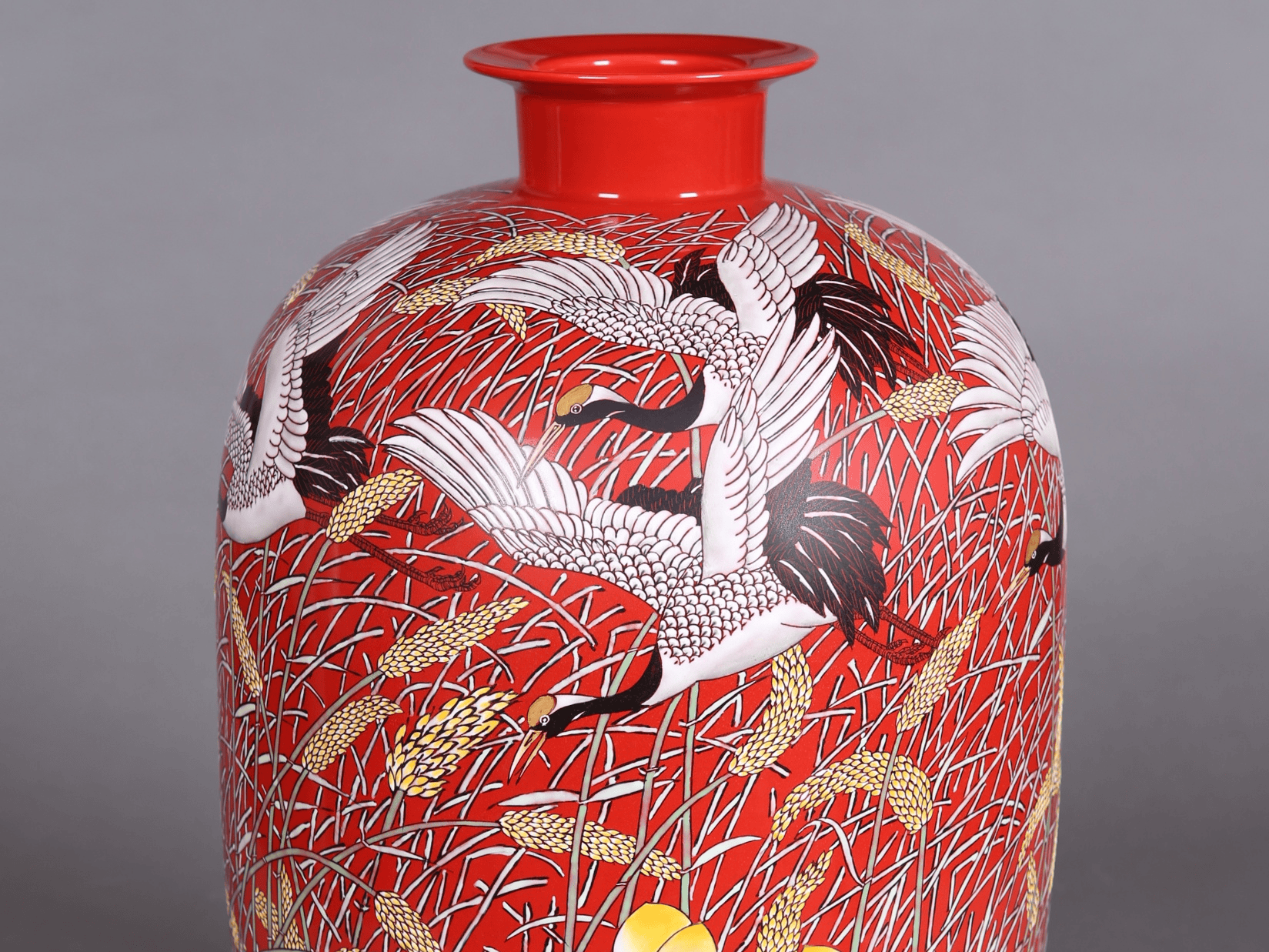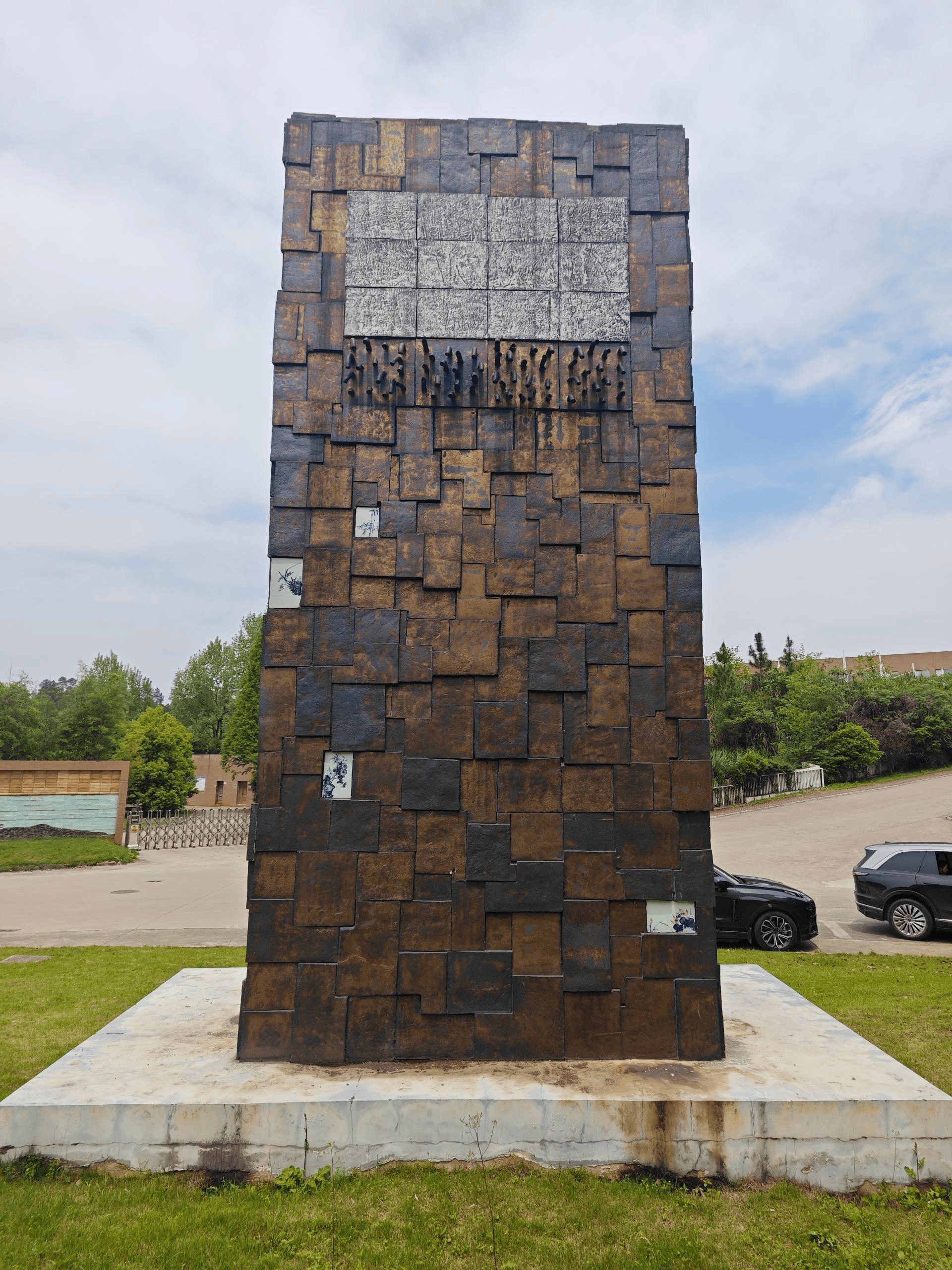
Earthenware carving constitutes a striking craft category with a prolonged heritage, reaching back legions of centuries. From ancient jars to contemporary showcases, the substance offers unique possibilities for creative articulation. Sculptors work with distinct techniques – including hand-building, wheel turning, and enhanced firing processes – to shape humble terracotta into beautiful three-dimensional forms. The toughness of fired pottery also contributes to its status as a truly timeless part of human custom.
Investigating Terracotta Sign Designs and Approaches
The area of ceramic emblem design offers a wide array of inventive possibilities. Makers often explore a mixture of conventional and current techniques to develop visually impressive pieces. These can span from simple, etched reliefs to complex, multi-layered assemblies. Routine methods include the slip cast process, hand crafting, finishing glaze – which can involve diverse approaches like pre-firing decoration, applying decoration after firing, and incised illustration where designs are made visible by removing a layer of finish. More investigation into surface treatments such as raku firing and lustreware can lead to truly uncommon and specialized clay tablets.
- Pattern Casting - Constructing pieces using a pattern
- Sculpting by hand - Directly shaping the terracotta
- Varnishing - Painting the overlay with a glassy finish
- Scratched design - Making visible designs by excavating films
Captivating Experiences: Ceramic Art Expositions
The advancing landscape of expression presents exciting new avenues for witnesses, and ceramic art installations are at the front line of this shift. These aren't just static statues; they are engineered to envelop the visitor in a sensory environment. Imagine navigating within a forest of towering, coated ceramic trees, or navigating a labyrinth of detailed ceramic vessels. Many makers are now incorporating harmonies, radiance, and even scent to enhance the vibe of their work. Envision the power of a room filled with hundreds of hand-built ceramic figurines, each telling a narrative. Habitually, such installations delve into themes of landscape, nostalgia, and humanity.
- The described installations blur the boundaries between figure and environment.
- Viewing a ceramic art installation can be a deeply meaningful journey.
- Sculptors are challenging the edges of what is conceivable with clay.
Each Charm of the Stoneware Container: Significance and Shape
The porcelain vase represents a notable conjunction of usefulness and imaginative appeal. Historically, these containers served a rudimentary role in supporting objects, but their development has transformed them into highly valued works of creation. Each artifact showcases the talent of the maker, demonstrating how profile can be as crucial as utility. The conscientious shaping, the distinctive glazes, and the full presence of a artfully-produced pot can improve a space, offering both splendor and a soft reminder of the manual hand.
Latest Brick Work : Reaching Limits
Present-day terracotta design represents a fascinating shift from historical practices. Craftsmen are dynamically probing with new methods, softening the edges between form and additional craft disciplines. From large installations to detailed miniature pieces, these kinds of works delve into themes of persona while parallelly remodeling the fundamental of what porcelain can manifest. The result is a vigorous sector of inventive display.
Brick Badge: Keeping Annals in Brick
Porcelain plaques offer a exceptional method for commemorating significant events and personalities. In contrast to traditional metal or stone markers, these sturdy pieces of creation are formed from cooked clay, creating a concrete link to the former times. Frequently, they feature intricate figures or hand-painted imagery, revealing stories that might otherwise be disremembered. A technique, stemming from ancient Cup Set II peoples, provides a aesthetically pleasing and lasting way to respect our collective heritage.
- Those can be installed in public spaces.
- Scores of are now acknowledged historical objects.
Pottery Art Installations: Modifying Venues
Clay art installations are emerging a impactful medium for craftsmen to reshape public and private environments. These immersive artworks frequently involve monumental clay designs that hold viewers, influencing their insight of the fabricated environment. By utilizing diverse tactics like artisanal crafting and elaborate firing ways, ceramic artists fabricate truly unique experiences, erasing the lines between form and environment. The effectiveness is often a emotional transformation that improves the aesthetic quality of the venue and encourages communication.
Beginning Spindle to Marvel: The Practice of the Clay Holder
The journey of a clay holder from a simple lump of clay to a polished work of art is a testament to human talent. Traditionally, the process initiates with the potter’s circular platform, where the talented artisan carves the spinning earth into a cylindrical design. This early part demands accuracy and a attuned eye, followed by a delicate strengthening period. Once partially baked, the jar is ready for detail work, which may feature illustrating intricate elements, etching detailed depictions, or executing a assortment of varnishes. The ending firing process then changes the creation into a durable and pleasing vase, a tangible example of the creator's commitment.
Sculpting with Ceramic Material: A Handbook to Terracotta Practice
Delving the sphere of earthenware expression begins with mastering the basics of shaping with ceramic material. That means includes systematically adding and removing mass to build three-dimensional artifacts. Regardless of you're a apprentice or a veteran designer, working with several types of clay – such as stoneware – will assist you uncover your distinctive voice. In the end, clay working is a satisfying exploration that blends artistic expertise with imaginative interpretation.