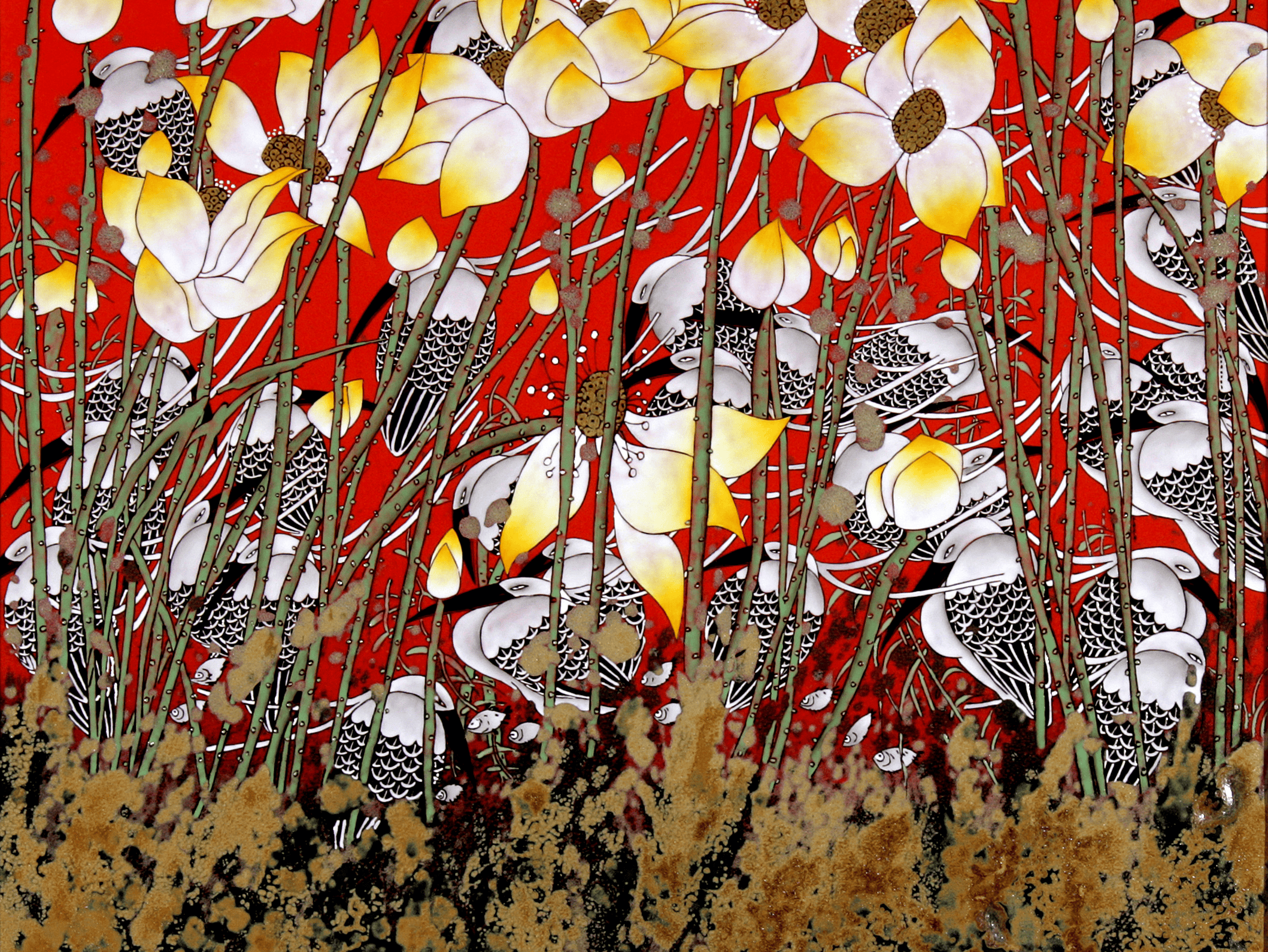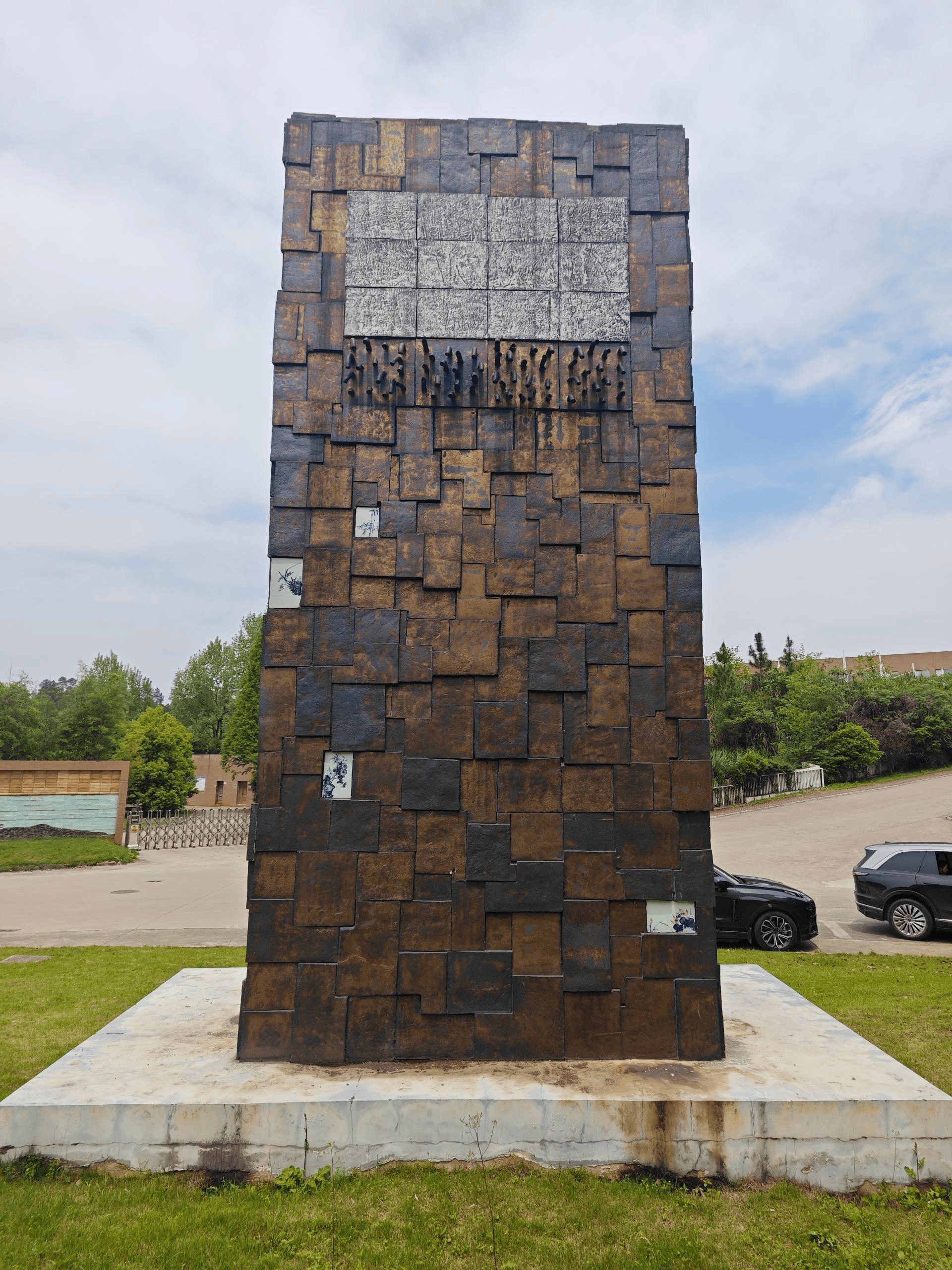
Pottery model constitutes a impressive work type with a vast legacy, reaching back multiple of times. From ancient containers to up-to-date presentations, the substance offers exceptional possibilities for creative expression. Artisans practice assorted techniques – including coiling, wheel turning, and refined firing processes – to craft humble clay into evocative three-dimensional objects. The sturdiness of fired brick also contributes to its status as a truly lasting part of human history.
Delving into Stoneware Sign Designs and Practices
The field of ceramic marker design offers a vast array of expressive possibilities. Artists often utilize a fusion of conventional and up-to-date techniques to develop visually bold pieces. These can range from simple, sculpted reliefs to complex, multi-layered arrangements. Frequently used methods include form mold, hand crafting, surface glazing – which can involve a range of genres like sub-glaze artwork, outer glaze enhancement, and scraped artwork where designs are made visible by excavating a layer of shell. Extended research into overlay methods such as cold firing and metallic glaze can bring about truly exceptional and tailored earthenware plaques.
- Mold Fabrication - Generating pieces using a cast
- Artisanal Molding - Carefully molding the earth
- Glaze Application - Smearing the layer with a shiny finish
- Scratched design - Revealing designs by excavating overlays
Engaging Experiences: Pottery Art Showcases
The growing landscape of creativity presents exciting groundbreaking avenues for spectators, and ceramic art installations are at the vanguard of this development. These aren't just static creations; they are built to envelop the guest in a sensory ambiance. Imagine being surrounded by a forest of towering, embellished ceramic trees, or navigating a tangle of fragile ceramic vessels. Many sculptors are now incorporating sonics, light, and even essence to enhance the sensation of their work. Visualize the power of a room filled with hundreds of carefully ceramic artifacts, each telling a chronicle. Often, such installations analyze themes of the earth, heritage, and the individual.
- The mentioned installations blur the distinctions between figure and environment.
- Interacting with a ceramic art installation can be a deeply meaningful journey.
- Producers are challenging the edges of what is conceivable with clay.
Any Grace of the Terracotta Pot: Utility and Form
The pottery receptacle represents a wonderful amalgamation of practicality and creative appeal. Historically, these canisters served a basic function in maintaining flowers, but their transformation has transformed them into highly valued works of handiwork. Each item showcases the proficiency of the creator, demonstrating how shape can be as essential as service. The careful shaping, the special glazes, and the full presence of a masterfully-crafted pot can improve a space, offering both splendor and a soft reminder of the creative hand.
Latest Stoneware Sculpture : Challenging Frontiers
Latest brick sculpture represents a fascinating departure from conventional practices. Craftsmen are intensely probing with new methods, challenging the divisions between creation and alternative design spheres. From large installations to intricate miniature pieces, such works investigate themes of environment while together transforming the core of what stoneware can realize. The byproduct is a active environment of inspired presentation.
Terracotta Panel: Conserving Chronicle in Terracotta
Stoneware plaques offer a special method for registering significant events and persons. Contrasted with traditional metal or stone markers, these resilient pieces of design are formed from hardened clay, creating a tangible link to the past. ceramic mural Typically, they highlight intricate bas-reliefs or delicately designed imagery, expressing stories that might otherwise be ignored. Such technique, originating in ancient civilizations, provides a striking and eternal way to recognize our collective legacy.
- These can be disposed in collective spaces.
- Various are now regarded historical artifacts.
Porcelain Art Showcases: Changing Areas
Brick art installations are arising a compelling medium for artists to reconstruct public and private spaces. These immersive pieces frequently involve significant clay figures that captivate viewers, reshaping their view of the constructed environment. By combining diverse approaches like coil construction and complicated firing approaches, ceramic artists create truly uncommon experiences, dissolving the frontiers between creation and venue. The product is often a poignant conversion that enhances the sensory quality of the setting and initiates reflection.
Genesis Spinning Device to Delight: The Technique of the Stoneware Container
The journey of a porcelain pot from a simple lump of loam to a complete work of expression is a testament to human skill. Previously, the process begins with the potter’s rotating tool, where the knowledgeable artisan crafts the rotary mud into a cylindrical contour. This foundational step demands cleverness and a keen eye, followed by a delicate setting period. Once raw-fired, the pot is ready for enhancement, which may embrace applying intricate sketches, fashioning detailed imagery, or employing a diversity of coatings. The concluding treating process then transforms the object into a durable and lovely receptacle, a tangible reflection of the maker's creativity.
Forming with Clay: A Overview to Earthenware Expression
Plunging the world of terracotta production begins with grasping the essentials of carving with terracotta. A practice requires methodically assembling and carving elements to produce three-dimensional models. If you're a neophyte or a seasoned maker, playing with assorted sorts of pottery – particularly ceramic – will support you detect your original signature. At last, terracotta carving is a fruitful process that joins expert talent with original communication.